Handball Glory Seekers: The Ultimate Indian Sporting Tradition ?
Discover the thrilling world of Handball Glory Seekers, a dynamic team sport that combines athleticism, strategy, and cultural heritage in one exciting package.
Key Highlights: Fast-paced gameplay • Team coordination • Physical endurance • Strategic thinking • Cultural significance
What Are Handball Glory Seekers? ?
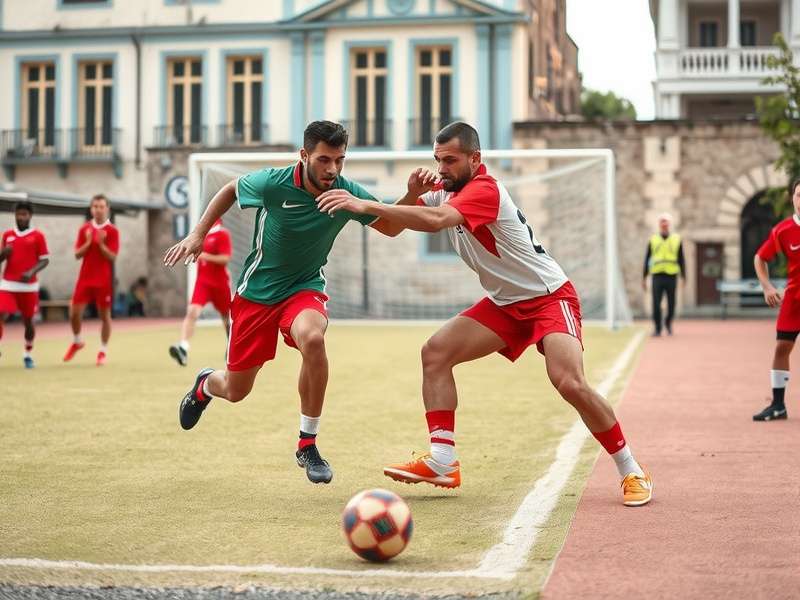
Handball Glory Seekers represent a unique fusion of traditional Indian athletic games and modern handball principles. This sport has gained tremendous popularity across rural and urban India, captivating audiences with its fast-paced action and strategic depth.
The game typically involves two teams of seven players each, competing to score points by throwing a ball into the opponent's goal. What sets Handball Glory Seekers apart is its incorporation of elements from indigenous Indian games, creating a distinctive playing style that emphasizes agility, precision, and teamwork.
Physical Prowess
Demands exceptional speed, strength, and endurance from players
Strategic Depth
Requires complex tactical thinking and team coordination
Cultural Heritage
Rooted in traditional Indian games and community values
Historical Origins and Evolution ?
The origins of Handball Glory Seekers can be traced back to the early 20th century when British-introduced handball began merging with indigenous Indian games like Kho-Kho and Kabaddi. This cultural synthesis created a uniquely Indian version of handball that resonated with local sporting traditions.
During the 1930s, the game gained formal structure when physical education instructors at Indian universities began developing standardized rules. The name "Handball Glory Seekers" emerged in the 1950s, reflecting the aspirational nature of the sport and its participants.
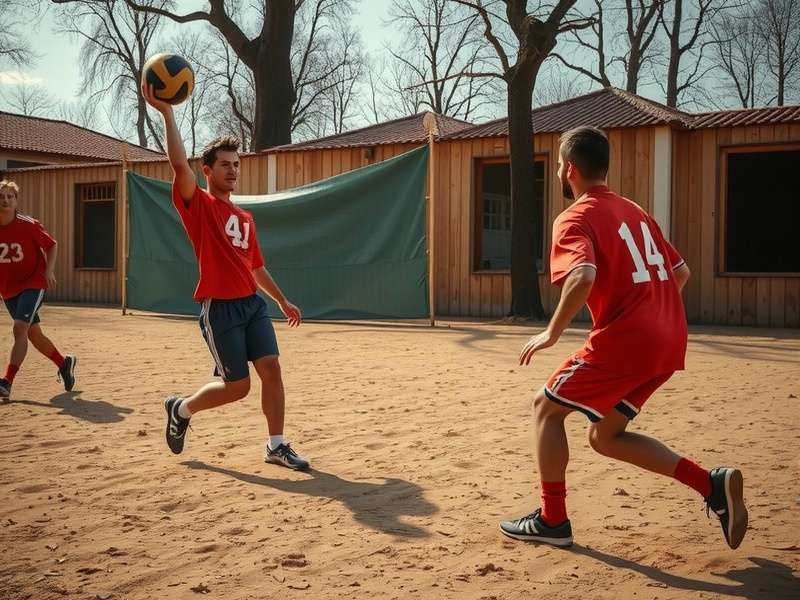
Post-independence India saw a surge in popularity for indigenous sports, and Handball Glory Seekers benefited from this cultural movement. The formation of the All India Handball Glory Seekers Association in 1972 marked a significant milestone in the sport's development, establishing national tournaments and coaching standards.
Throughout the 1980s and 1990s, the game evolved with increased professionalization, introducing refined techniques and strategic approaches. International exposure came in the early 2000s when demonstration matches were held during South Asian sporting events, showcasing the unique appeal of Handball Glory Seekers to global audiences.
Game Rules and Regulations ?
The official rules of Handball Glory Seekers balance traditional elements with modern sporting standards. Understanding these regulations is essential for both players and enthusiasts of this dynamic game.
| Aspect | Rule Description | Significance |
|---|---|---|
| Team Composition | 7 players per side (6 court players + 1 goalkeeper) | Ensures balanced gameplay and strategic variety |
| Match Duration | Two halves of 30 minutes each with 10-minute halftime | Tests player endurance and pacing strategies |
| Scoring System | 1 point per goal, 2 points for goals from beyond 9-meter line | Rewards skill and encourages varied attacking play |
| Ball Movement | Players can take maximum 3 steps while holding ball | Promotes continuous flow and quick decision-making |
| Defensive Rules | No physical contact; positioning-based defense only | Emphasizes skill over physical dominance |
One distinctive feature of Handball Glory Seekers is the "Glory Round" - a special period in the final five minutes where scoring values double, creating dramatic comebacks and heightened excitement. This unique rule addition reflects the game's emphasis on perseverance and dramatic finishes.
Refereeing in Handball Glory Seekers follows a dual-system approach with one court referee and one goal-line referee, ensuring comprehensive coverage of the fast-paced action. Video referral systems were introduced in professional matches in 2015, bringing technological advancement to this traditional sport.
Playing Techniques and Strategies ?♂️
Mastering Handball Glory Seekers requires developing a diverse skill set that combines physical abilities with mental acuity. Players spend years refining these techniques to excel in competitive matches.
Fundamental Skills
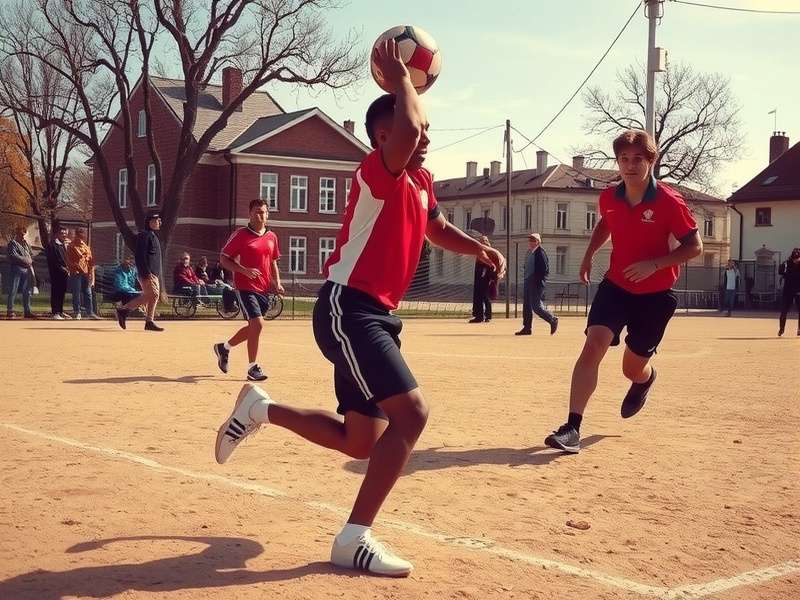
The cornerstone of Handball Glory Seekers proficiency begins with ball handling. Players practice countless hours to develop soft yet firm hand control, enabling precise passing and shooting under pressure. The unique grip technique used in this sport allows for both power and finesse shots, adapting to different game situations.
Footwork represents another critical component, with players learning specific stepping patterns that maximize mobility while adhering to the three-step rule. These movements draw from traditional Indian dance and martial arts, creating a distinctive style that sets Handball Glory Seekers apart from international handball variants.
Advanced Strategies
Team formations in Handball Glory Seekers have evolved into sophisticated systems that balance offensive and defensive requirements. The "Flying Eagle" formation emphasizes width and rapid transitions, while the "Tiger Pounce" focuses on compressed defense and counter-attacks.
Set plays represent the strategic pinnacle of Handball Glory Seekers, with teams developing complex routines for penalty situations and corner throws. These plays often incorporate deceptive movements and timing patterns that confuse opponents and create scoring opportunities.
Pro Tip: The most successful Handball Glory Seekers players develop exceptional peripheral vision, allowing them to track teammates and opponents simultaneously while maintaining ball control.
Cultural Significance and Community Impact ?
Handball Glory Seekers transcends mere sport in the Indian context, serving as a cultural touchstone that brings communities together. The game features prominently in local festivals and celebrations, often played as part of traditional ceremonies and community gatherings.
In rural India, Handball Glory Seekers tournaments become major social events, drawing participants from neighboring villages and creating opportunities for cultural exchange. These competitions often include traditional music, dance, and food, transforming athletic contests into comprehensive cultural experiences.
The values embodied by Handball Glory Seekers - teamwork, respect, perseverance, and honor - align closely with broader Indian cultural principles. This alignment has helped the sport maintain relevance across generations, with grandparents, parents, and children often sharing enthusiasm for the game.
Recent years have seen efforts to promote Handball Glory Seekers as part of India's sporting heritage in schools and colleges. Educational institutions incorporate the sport into physical education curricula, ensuring that new generations understand and appreciate this distinctive athletic tradition.
Women's participation in Handball Glory Seekers has grown significantly over the past two decades, with all-female tournaments now established at regional and national levels. This development reflects broader social changes while preserving the cultural essence of the game.
Future Prospects and Development ?
The trajectory of Handball Glory Seekers points toward continued growth and modernization while preserving its cultural roots. Several initiatives are underway to expand the sport's reach and enhance its professional structure.
Digital platforms are playing an increasingly important role in promoting Handball Glory Seekers, with live streaming of major tournaments and social media engagement bringing the sport to global audiences. These technological advancements complement traditional community-based approaches to sport development.
International exhibition matches and potential inclusion in multi-sport events represent the next frontier for Handball Glory Seekers. Sports administrators are working to create standardized international rules that maintain the game's unique characteristics while making it accessible to global participants.
Vision 2030: The Handball Glory Seekers Federation aims to establish professional leagues in eight Indian states and introduce the sport in fifty countries worldwide by 2030.
Youth development programs continue to identify and nurture talent, ensuring a pipeline of skilled players for future competitions. These initiatives combine modern coaching techniques with traditional wisdom, creating well-rounded athletes who honor the heritage of Handball Glory Seekers while pushing its boundaries.