Table of Contents
Master Of Andhra Fencing: Complete Encyclopedia
Quick Facts: Master Of Andhra Fencing is a traditional Indian martial art originating from Andhra Pradesh, focusing on sword fighting techniques, defensive maneuvers, and spiritual development. ?️⚔️
The Master Of Andhra Fencing represents one of India's most sophisticated and historically rich martial traditions. This combat system, developed over centuries in the coastal regions of Andhra Pradesh, combines practical battlefield techniques with philosophical depth.
Unlike Western fencing which primarily focuses on sport, Master Of Andhra Fencing encompasses a holistic approach to combat, incorporating physical conditioning, mental discipline, and spiritual growth. Practitioners of this art form, known as "Veera Yodhulu" (brave warriors), were respected members of society.
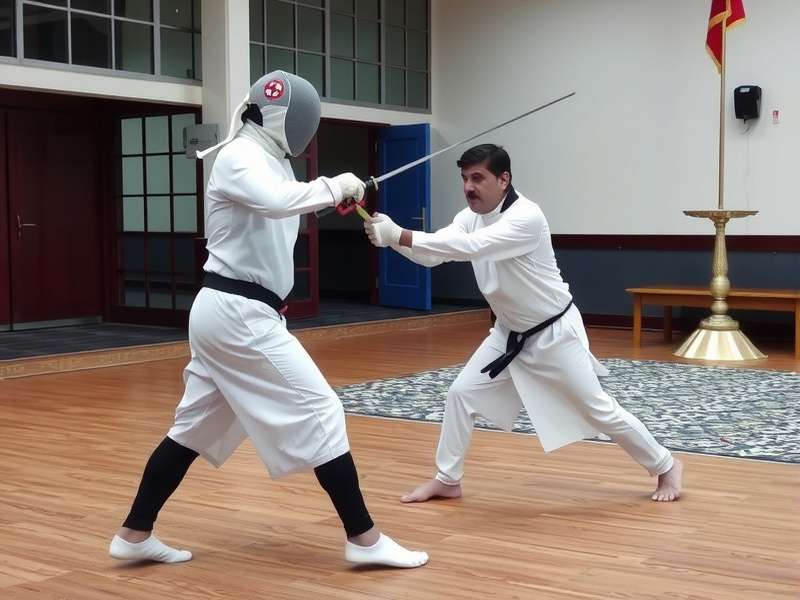
The art form emphasizes fluid movements, precise footwork, and strategic thinking. Every motion in Master Of Andhra Fencing has both defensive and offensive applications, making it a comprehensive self-defense system. The training regimen is rigorous, requiring years of dedicated practice to achieve mastery.
Historical Origins and Development
The roots of Master Of Andhra Fencing can be traced back to the ancient kingdoms of Andhra Pradesh, particularly during the reign of the Satavahana dynasty (circa 1st century BCE to 2nd century CE). Historical evidence suggests that organized combat systems existed in this region for over two millennia.
During the medieval period, Master Of Andhra Fencing evolved significantly under the patronage of the Vijayanagara Empire. Warriors from Andhra region were renowned for their martial prowess and played crucial roles in defending the empire against invasions. The art was systematically documented during this golden age.
Historical Timeline: The development of Master Of Andhra Fencing spans several historical epochs, from ancient tribal combat methods to sophisticated royal martial arts training systems. ?
With the decline of indigenous kingdoms and the establishment of British colonial rule, Master Of Andhra Fencing faced significant challenges. The British administration banned many traditional martial arts practices, forcing the knowledge underground. However, dedicated masters preserved the art through secret training sessions and oral traditions.
The post-independence era witnessed a gradual revival of interest in traditional Indian martial arts, including Master Of Andhra Fencing. Cultural organizations and martial arts enthusiasts began documenting the remaining knowledge and promoting its practice as both a combat sport and cultural heritage.
Fighting Techniques and Strategies
Basic Stances and Footwork
The foundation of Master Of Andhra Fencing lies in its distinctive stances (known as "Asanas") and footwork patterns ("Padachari"). These elements provide stability, mobility, and the ability to generate power in attacks while maintaining defensive readiness.
Key stances include the "Vajra Asana" (diamond stance) for solid defense, "Vyagra Asana" (tiger stance) for aggressive attacks, and "Marjala Asana" (cat stance) for quick evasions. Each stance serves specific tactical purposes and forms the basis for more advanced techniques.
Attack and Defense Movements
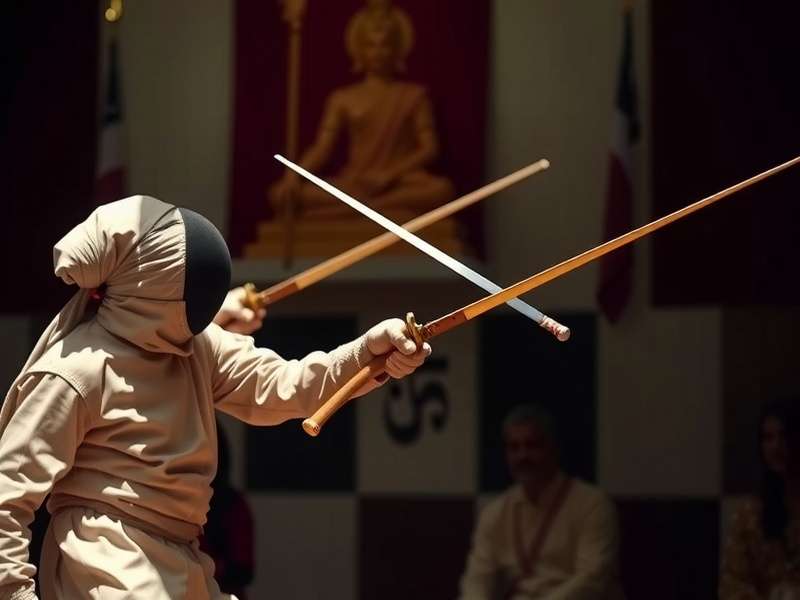
The offensive techniques in Master Of Andhra Fencing are categorized into cutting, thrusting, and slashing motions. Defensive maneuvers include parries, blocks, and evasions. The art emphasizes economy of movement, with each action serving multiple purposes.
Advanced practitioners learn to read opponents' intentions through subtle body language cues, allowing for preemptive counters. This psychological aspect distinguishes Master Of Andhra Fencing from purely mechanical combat systems.
Strategic Principle: In Master Of Andhra Fencing, the warrior seeks to control the combat space while remaining adaptable to changing conditions. The mind guides the sword, not vice versa. ?⚔️
Traditional Weapons of Andhra Fencing
The Master Of Andhra Fencing tradition employs a variety of specialized weapons, each with unique characteristics and applications. The primary weapon is the "Pata" (straight sword), but training encompasses multiple implements to develop comprehensive combat skills.
Primary Weapons
The "Pata" is a double-edged straight sword typically measuring between 30-40 inches in length. Its balanced design allows for both cutting and thrusting techniques. The hilt often features an intricate guard to protect the hand while allowing fluid wrist movements.
Another significant weapon is the "Khadga" (curved sword), which excels in slashing attacks. The curvature of the blade enables powerful cutting motions with minimal resistance, making it effective against lightly armored opponents.
Secondary and Training Weapons
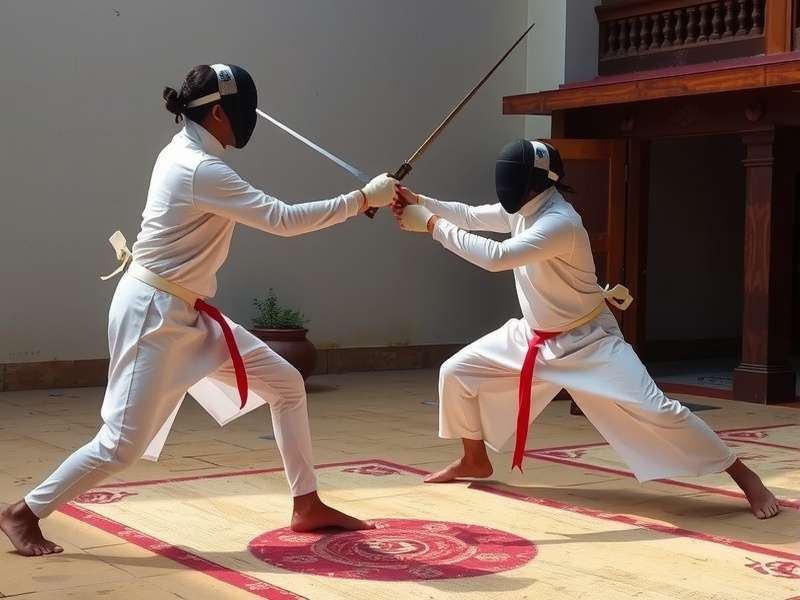
Beyond the primary swords, practitioners of Master Of Andhra Fencing train with various secondary weapons including the "Barchha" (spear), "Danda" (staff), and "Chakram" (throwing disc). Training begins with wooden replicas before progressing to blunted metal weapons.
The comprehensive weapons training in Master Of Andhra Fencing ensures that practitioners can adapt to various combat scenarios and weapon types. This versatility was historically essential for warriors who might need to use whatever weapons were available on the battlefield.
Training Methods and Discipline
The path to becoming a master in Master Of Andhra Fencing follows a structured progression system. Training typically begins in childhood under the guidance of an experienced "Guruji" (teacher) and continues for many years before achieving proficiency.
Physical Conditioning
Physical preparation for Master Of Andhra Fencing includes strength training, flexibility exercises, and endurance building. Traditional methods involve working with heavy wooden weapons, practicing stances for extended periods, and performing dynamic movements to develop combat-ready fitness.
Specialized exercises target the muscle groups essential for fencing, particularly the shoulders, wrists, and core. Cardiovascular training ensures practitioners can maintain high-intensity movement throughout extended engagements.
Training Philosophy: In Master Of Andhra Fencing, the body is trained to become an extension of the weapon, moving with precision, power, and grace. Daily practice is essential to maintain skills. ??️
Mental and Spiritual Development
Beyond physical techniques, Master Of Andhra Fencing places strong emphasis on mental discipline and spiritual growth. Meditation practices help develop focus, clarity, and emotional control - essential attributes for effective combat.
The philosophical teachings associated with Master Of Andhra Fencing stress the ethical use of martial skills, emphasizing defense over aggression and promoting values of honor, courage, and responsibility.
Modern Revival and Contemporary Practice
In recent decades, there has been a significant resurgence of interest in Master Of Andhra Fencing as both a cultural practice and combat sport. Government initiatives, cultural organizations, and private academies have contributed to this revival.
Modern adaptations of Master Of Andhra Fencing include sporting competitions with safety equipment and standardized rules. These events help preserve the art while making it accessible to new generations of practitioners.
Educational Initiatives
Several universities in Andhra Pradesh now offer courses on traditional martial arts, including Master Of Andhra Fencing. Academic research has helped document techniques, history, and cultural context that might otherwise have been lost.
Workshops and demonstration events introduce Master Of Andhra Fencing to international audiences, fostering cross-cultural appreciation for India's martial heritage. Social media and digital platforms have further expanded awareness beyond regional boundaries.
Future Outlook: With growing global interest in traditional martial arts, Master Of Andhra Fencing is positioned to gain international recognition while maintaining its cultural authenticity. ?✨
Cultural Significance and Legacy
Master Of Andhra Fencing is deeply interwoven with the cultural fabric of Andhra Pradesh. The art appears in regional folklore, literature, and performing arts, reflecting its importance beyond mere combat application.
Traditional festivals in Andhra Pradesh often feature demonstrations of Master Of Andhra Fencing, celebrating the region's martial heritage. These events serve as living museums, preserving techniques and knowledge for future generations.
Influence on Other Arts
The movements and philosophies of Master Of Andhra Fencing have influenced various regional dance forms, particularly those depicting warrior themes. The graceful yet powerful motions translate effectively to theatrical performance.
Contemporary Indian cinema has occasionally featured Master Of Andhra Fencing in historical and action films, though often with artistic license. These depictions have contributed to public awareness of this traditional art form.
As a living tradition, Master Of Andhra Fencing continues to evolve while honoring its historical roots. The dedication of current practitioners ensures that this unique aspect of Indian cultural heritage will endure for generations to come.