Odisha Olympians: India's Traditional Sporting Legacy ?
Exploring the rich heritage and competitive spirit of Odisha's indigenous athletic tradition
Overview of Odisha Olympians
The Odisha Olympians represent a unique sporting tradition deeply rooted in the cultural fabric of Eastern India. This indigenous athletic competition showcases physical prowess, strategic thinking, and community bonding that has been preserved for generations.
? Key Insight: Unlike Western Olympic games, the Odisha Olympians tradition integrates spiritual elements with physical competition, creating a holistic approach to athletic excellence.
These traditional games were historically organized during harvest festivals and religious celebrations, serving as both entertainment and a method of maintaining physical fitness among community members. The events test various abilities including strength, agility, endurance, and precision.
The revival of interest in Odisha Olympians in recent decades highlights India's growing appreciation for its indigenous sporting heritage. This tradition offers valuable insights into the historical development of physical culture in the Indian subcontinent.
Historical Origins & Evolution
The origins of Odisha Olympians can be traced back to ancient times when physical prowess was essential for survival and community defense. Historical records and oral traditions suggest these games began as training exercises for warriors and hunters.
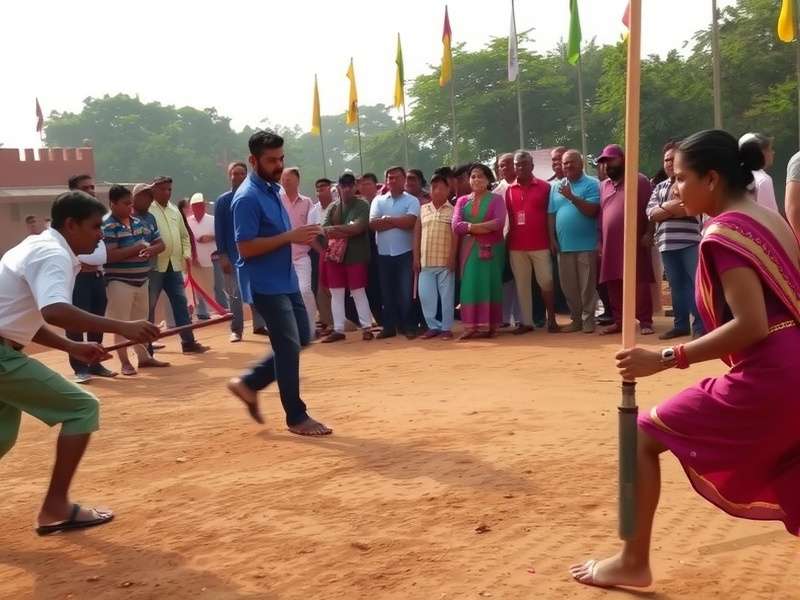
During the medieval period, these games evolved into more structured competitions held during major festivals. Local rulers often sponsored these events, which became platforms for identifying talented individuals who could serve in administrative or military capacities.
Colonial Era Transformations
The British colonial period brought significant changes to indigenous sporting traditions across India. Many traditional games were suppressed or marginalized in favor of Western sports. However, Odisha Olympians managed to survive in rural areas where colonial influence was less pervasive.
Community elders played a crucial role in preserving the knowledge and techniques associated with these games, passing them down through generations despite external pressures to abandon traditional practices.
Post-Independence Revival
After India gained independence in 1947, there was renewed interest in celebrating indigenous cultural practices, including traditional sports. The Odisha Olympians tradition experienced a gradual revival, with efforts to document rules and standardize competitions.
Game Rules & Competition Structure
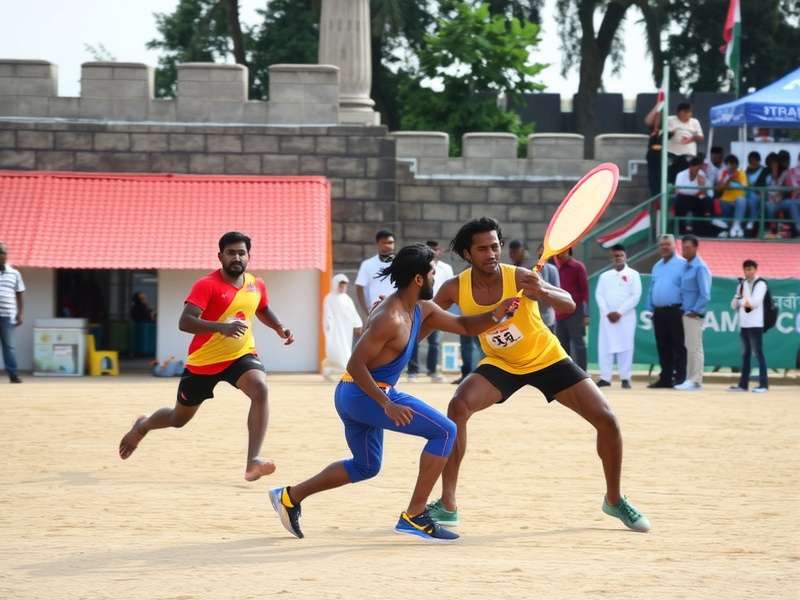
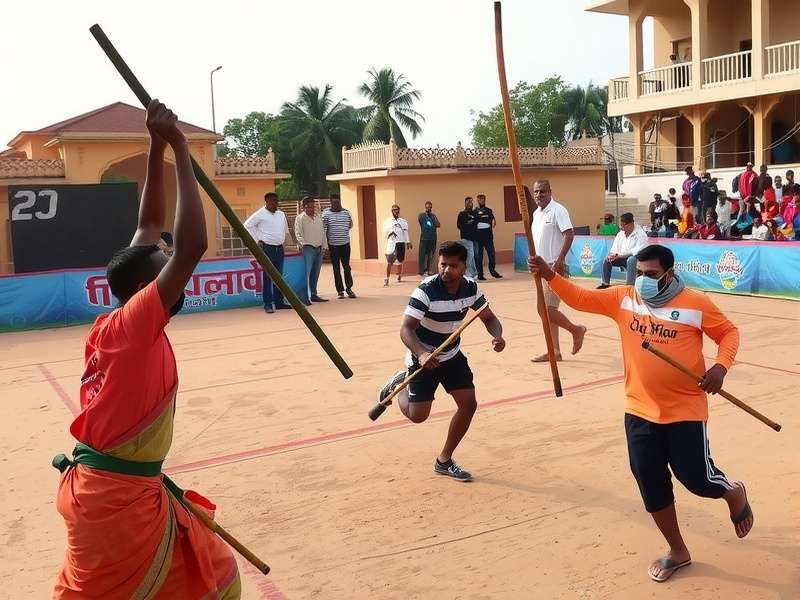
The Odisha Olympians competition consists of multiple events that test different physical and mental attributes. Participants traditionally compete in several categories based on age, gender, and skill level.
Core Events & Disciplines
Traditional Odisha Olympians competitions feature a diverse range of events that have been refined over centuries. These include strength-based contests, precision games, endurance challenges, and team activities.
| Event Category | Description | Skills Tested |
|---|---|---|
| Strength Events | Traditional weight lifting, wrestling, and carrying competitions | Physical power, endurance |
| Precision Games | Target throwing, archery, and accuracy challenges | Hand-eye coordination, focus |
| Endurance Trials | Long-distance running, swimming, and persistence tests | Stamina, mental fortitude |
| Team Competitions | Group challenges requiring coordination and strategy | Cooperation, tactical thinking |
Competition Format
Traditional Odisha Olympians tournaments follow a structured format that begins with local competitions and progresses to regional championships. Winners at each level advance to higher tiers of competition, culminating in a grand finale.
? Important Note: Unlike elimination-based tournaments, traditional Odisha Olympians competitions often use a points system that allows participants to compete in multiple events and accumulate scores across different disciplines.
The judging criteria emphasize not only physical performance but also sportsmanship, respect for traditions, and adherence to cultural protocols. Elders and experienced practitioners serve as referees and judges, ensuring the preservation of authentic practices.
Cultural & Social Significance
The Odisha Olympians tradition extends far beyond mere physical competition, serving important social, cultural, and spiritual functions within communities. These games reinforce social bonds, transmit cultural values, and connect participants to their heritage.
Community Integration
Traditional Odisha Olympians events function as important community gatherings that strengthen social cohesion. Villages and neighborhoods come together to organize, participate in, and celebrate these competitions, fostering a sense of shared identity and mutual support.
These events often coincide with agricultural cycles and religious festivals, integrating physical culture with other aspects of community life. The games serve as platforms for resolving disputes, showcasing talent, and reinforcing social hierarchies in traditional contexts.
Spiritual Dimensions
Many Odisha Olympians traditions incorporate spiritual elements, beginning with rituals to honor deities associated with strength, protection, and victory. Participants often observe specific practices before competitions, including dietary restrictions, meditation, and prayers.
? Cultural Insight: In traditional contexts, exceptional performance in Odisha Olympians competitions was sometimes interpreted as divine favor or blessing, adding a spiritual dimension to athletic achievement.
The connection between physical prowess and spiritual development reflects holistic indigenous perspectives on human potential that differ from purely secular approaches to sports in modern contexts.
Modern Revival & Contemporary Practice
In recent decades, there has been a significant resurgence of interest in Odisha Olympians and other indigenous sports across India. This revival is part of broader cultural movements seeking to reclaim and celebrate traditional practices.
Institutional Support
Government agencies, educational institutions, and cultural organizations have played crucial roles in documenting, preserving, and promoting Odisha Olympians. Efforts include establishing training centers, organizing regular competitions, and incorporating these games into physical education curricula.
The inclusion of indigenous sports in events like the Khelo India Games has provided greater visibility and legitimacy to traditions like Odisha Olympians, attracting new generations of participants and enthusiasts.
Adaptation & Innovation
While preserving core elements, contemporary practitioners of Odisha Olympians have introduced innovations to make the games more accessible and relevant. These include standardized equipment, safety measures, and competition formats adapted to modern contexts.
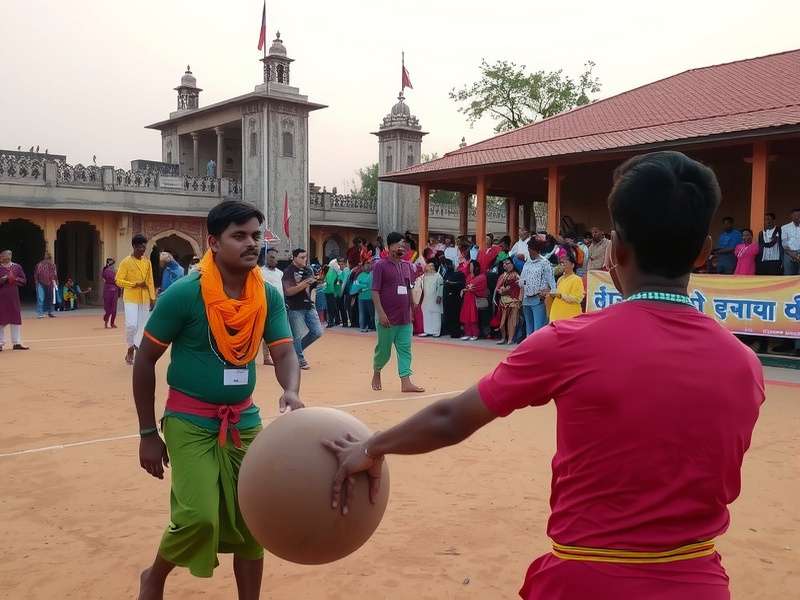
Digital technologies have also facilitated the preservation and dissemination of knowledge related to Odisha Olympians. Online archives, instructional videos, and social media communities have connected practitioners across geographical boundaries.
Future Prospects
The future of Odisha Olympians appears promising as awareness grows and institutional support expands. Challenges remain in balancing preservation with adaptation, but the growing appreciation for India's diverse sporting heritage bodes well for these traditional games.
International interest in indigenous sports has created opportunities for cultural exchange and global recognition of traditions like Odisha Olympians. These developments suggest a vibrant future for this important aspect of India's cultural legacy.
Conclusion: Preserving a Living Tradition
The Odisha Olympians represent much more than historical athletic competitions—they are living traditions that continue to evolve while maintaining connections to their cultural roots. These games offer valuable alternatives to mainstream sports, emphasizing community, spirituality, and holistic development.
? Final Thought: The enduring appeal of Odisha Olympians demonstrates the timeless human desire for physical expression, friendly competition, and cultural continuity. As these traditions find new expressions in contemporary contexts, they enrich India's diverse sporting landscape.
By supporting and participating in indigenous sports like Odisha Olympians, communities not only preserve valuable cultural heritage but also promote diverse approaches to physical fitness, personal development, and social cohesion. The continued vitality of these traditions depends on intergenerational knowledge transfer and adaptive innovation.
As we look to the future, the story of Odisha Olympians serves as a powerful reminder of the richness of India's cultural diversity and the importance of preserving indigenous knowledge systems in an increasingly globalized world.