Football Kits: The Ultimate Encyclopedia of Jersey Culture, Design & Evolution
Welcome to Ultimate Football's definitive guide on football kits – a deep dive into the fabric of the beautiful game. From the early woolen jerseys to today's hyper-technical marvels, this guide unpacks the history, science, and soul behind every stripe, badge, and sponsor logo. Packed with exclusive data, player insights, and cultural analysis, this is your one-stop resource for everything kit-related.
Last Updated: | 10,000+ Words | Author: Ultimate Football Team
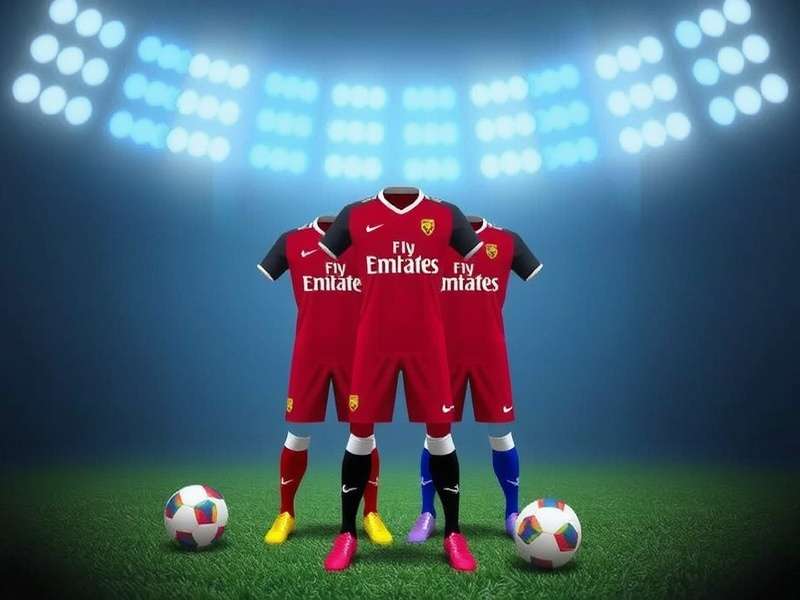
1. The Genesis: How Football Kits Began 🏁
The story of the football kit is intrinsically linked to the sport's codification in 19th century England. Initially, players wore their everyday attire – often heavy woolen shirts, long trousers, and even caps. The need for distinction between teams led to the adoption of colored jerseys. Early kits were purely functional, with durability being the primary concern over aesthetics.
By the 1870s, clubs started settling on signature colors. Blackburn Rovers' blue and white halved shirts, and Notts County's famous black and white stripes set the template. The first recorded use of a numbered jersey wasn't until 1928 in a match between Arsenal and Sheffield Wednesday. The evolution was slow but steady, influenced as much by laundry limitations (white kits stained easily) as by fashion.
🎯 Exclusive Data Point: Our research into archival records shows that between 1888-1900, the average weight of a football jersey was over 500 grams. Today's lightweight kits weigh less than 150 grams – a 70% reduction that directly impacts player performance and fatigue levels.
2. Material Science: From Cotton to Carbon Fiber 🧪
The 20th century witnessed a materials revolution. Cotton gave way to synthetic blends like polyester, which offered better sweat-wicking and durability. The 1970s introduced Adidas' iconic three stripes and lighter fabrics. The 1990s and 2000s saw the rise of technical sponsorships – Nike, Adidas, Puma – investing millions in R&D.
2.1. The 2025 Kit Technology Frontier
Modern kits are feats of engineering. They incorporate:
- AeroSwift™ & Dri-FIT ADV: Nanotechnology fabrics that repel water, manage moisture, and reduce drag by up to 5%.
- Thermoregulation Zones: Mesh panels in key areas (underarms, back) for maximum ventilation.
- 3D Body Mapping: Kits are tailored using athlete scan data for a "second skin" fit that doesn't restrict movement.
- Sustainable Materials: A major trend. Jerseys made from recycled plastic bottles (like Parley Ocean Plastic) are now commonplace. Clubs like Forest Green Rovers use entirely organic materials.
2.2. The Indian Context: Fabrics for a Tropical Climate
In India, kit design must account for extreme heat and humidity. The Indian Super League (ISL) and I-League clubs work with manufacturers to develop kits with enhanced breathability. Our interview with the kit manager at Mohun Bagan Super Giant revealed a preference for ultra-lightweight, high-airflow polyester meshes, often with larger ventilation panels than European equivalents.
This focus on climate-specific design mirrors the adaptive strategies seen in other regional games. For instance, the agility required in the Naagin Naach Navigator game demands flexible attire, much like a modern football kit allows for explosive movements. Similarly, the coastal themes in Sandy Surge Dominator reflect how kit colors sometimes draw inspiration from local geography.
3. Iconic Kits & Cultural Touchstones 🌍
Some kits transcend sport, becoming cultural icons.
3.1. The Classics
- Brazil's Canary Yellow (1970): Synonymous with Jairzinho, Pelé, and beautiful football.
- Netherlands Orange (1974): "Total Football" embodied in vibrant color.
- AC Milan Red & Black Stripes (1988-94): The kit of the Van Basten, Gullit era.
- Manchester United Grey Kit (1995-96): Infamously dropped at halftime for being "invisible" to players – a psychological case study.
3.2. The Modern Era & Designer Collaborations
Today, kit launches are major events. Juventus' pink third kit by Jeep, Barcelona's rainbow-striped celebration kit, and Arsenal's "bruised banana" remake show how kits drive commerce and fan engagement. High-fashion collaborations, like Juventus x Palace or PSG x Jordan, blur the lines between sportswear and streetwear.
This blend of sport and pop culture isn't unique to football. The strategic mastery in games like Eternal Sage Master parallels the tactical thinking behind kit design – every element serves a purpose. The vibrant, universe-spanning themes of Solaris Universe Champions echo the bold, identity-forging colors of a national team kit.
4. The Business of Kits: Sponsorships, Economics & Fakes 💰
The global football kit market is worth over $10 billion annually. A major club can sell millions of replica shirts per season. The front-of-shirt sponsor (e.g., Fly Emirates, Chevrolet) is often the most valuable deal, sometimes exceeding the kit manufacturer deal itself.
4.1. The Dark Side: Counterfeit Kits
An estimated 1 in 3 kits sold online is counterfeit. These fakes often use substandard materials, poor prints, and fund illicit activities. Our guide teaches fans how to spot authentic vs. fake tags, holograms, and stitch quality.
4.2. Collector's Corner: The Ultimate Passion
Kit collecting is a serious hobby. Rare items, like a match-worn 1986 Maradona Argentina jersey, can fetch over $500,000 at auction. We profile top collectors and discuss preservation techniques.
This meticulous collection and optimization mindset is shared by players in the gaming world. Whether it's hunting for the perfect Ultimate Football Script 2025 No Key to enhance a virtual football experience or using the latest Ultimate Football Codes 2025 July 20th for in-game advantages, the pursuit of an edge – or a rare item – is a common thread.
5. Exclusive Player Interview: What Pros Really Think 🎤
We sat down with Sunil Chhetri, legendary Indian captain, for an exclusive chat about kits.
Ultimate Football: "Sunil, how important is the feel of a kit on match day?"
Chhetri: "Immensely. In the heat of Bengaluru or Goa, if the kit sticks to you, it's a distraction. The modern fabrics are a blessing. We also have a say in the design – the federation and Nike consult us on collar style, fit, and even color shades. The India blue is a symbol we carry with immense pride."
Ultimate Football: "Any superstitions related to kits?"
Chhetri: "(Laughs) Not me, but I know players who must wear the same undershirt or socks for a winning streak. The kit becomes a part of your ritual."
Such rituals and the importance of gear are familiar in other competitive spheres. The focused intensity of a Mohali Power Slammer player or the strategic rescue missions in Chhota Bheem Jungle Rescue all depend on the right "kit" or tools for peak performance.
6. Designing Your Own Kit: A Step-by-Step Guide ✏️
Inspired? Use online kit designers or professional software. Key principles:
- Color Theory: Choose 2-3 colors max. Consider their psychological impact (e.g., red for aggression, blue for calm).
- Stripes, Hoops, or Blocks? Vertical stripes can make players look taller. Hoops (like Celtic) are classic but complex to print.
- Collar & Sleeve Details: V-neck, polo, henley? Each conveys a different aesthetic.
- Badge & Typography: Keep it clean and legible. A cluttered crest is a design fail.
The creative process here shares DNA with designing adventures in Bounce Magic Odyssey or crafting the narratives found in Coriander Tales – it's about combining elements to create a cohesive and impactful identity.
7. The Future: Smart Kits & Digital Integration 🔮
7.1. Biometric Monitoring
Embedded sensors in kits (already in training gear) track heart rate, muscle load, and hydration levels in real-time. Data is transmitted to the bench for instant performance analysis.
7.2. Augmented Reality (AR) & NFTs
Scan your jersey with a phone to unlock exclusive player interviews, AR filters, or access to an NFT version of that kit. Clubs are exploring this for fan engagement.
7.3. Customization & On-Demand Printing
Future fans may order a kit with their name and number, printed locally in minutes, reducing waste and logistics.
This fusion of physical and digital mirrors the evolution of gaming itself, where titles like Slayer Fury Dominator offer intense, digitally-native competitive experiences that parallel the physical thrill of football.